
Storm damage & insurance
Document it first. Repair it second.
After a storm the instinct is to start clearing up. Do the documentation first — what you photograph in the first days is what your claim is built on.
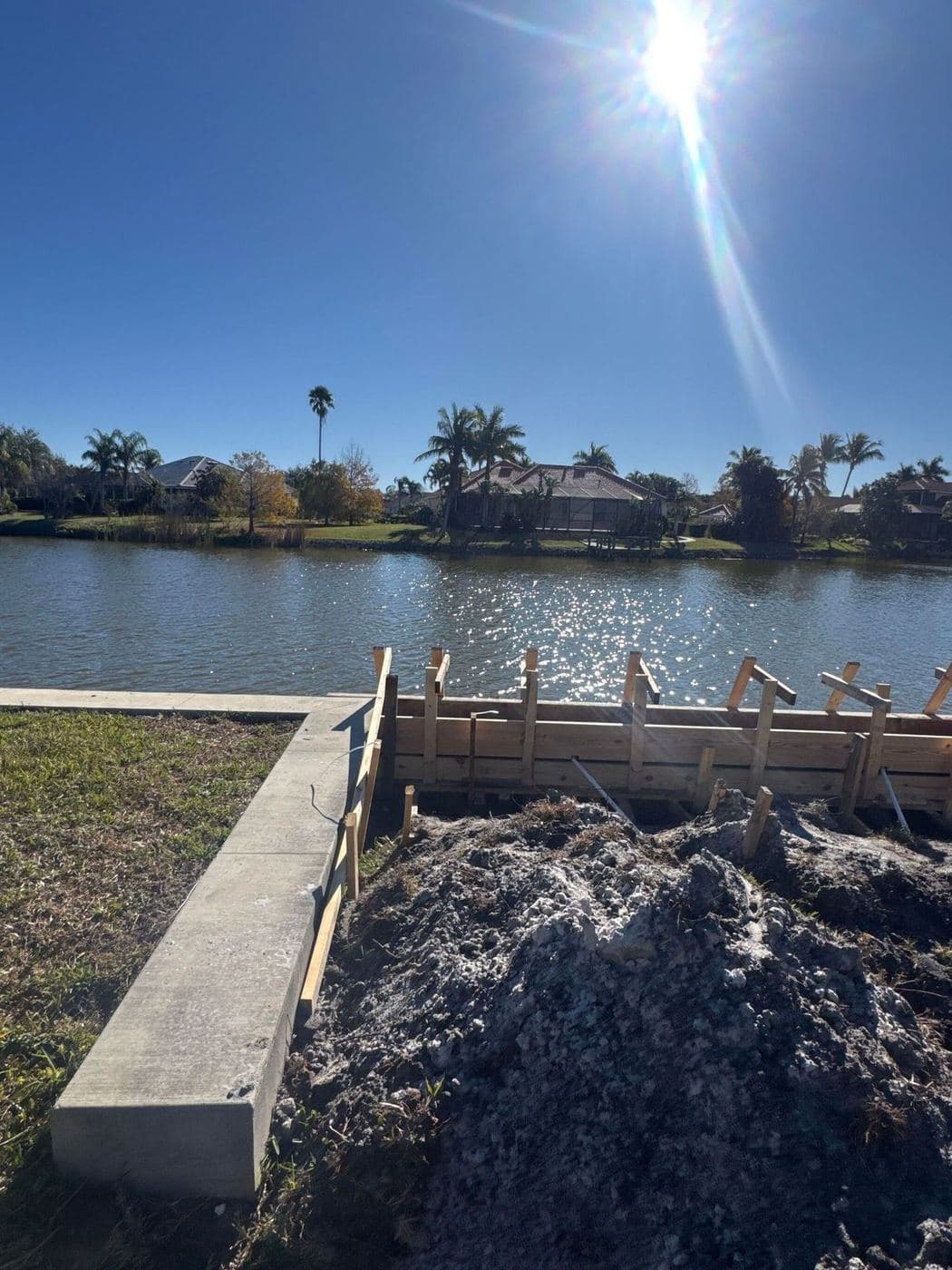
- Photos
- Before anything is moved
- Measurements
- Record visible damage
- Estimate
- Repair or replacement scope
- Your agent
- Confirms policy coverage
What we do, and what we don't
Mariner can inspect the damaged dock, lift or seawall and prepare a repair or replacement estimate. Before the appointment, ask what photographs, measurements or written supporting documents can be provided for the specific job.
We do not negotiate your claim and we do not advise you on your coverage. We are marine contractors, not public adjusters. What is on this page is general information to help you ask your own agent better questions.
The first 72 hours
- 1
Make it safe, don't make it tidy
Secure anything that could cause further damage or injury. Resist clearing debris until it is photographed.
- 2
Photograph everything, dated
Wide shots of the whole structure, close-ups of each failure, anything that moved, and the high-water line if visible.
- 3
Find your policy
Look for 'other structures', any dock or seawall endorsement, and the flood/surge exclusions. Note your deductible.
- 4
Call your carrier, then call us
Open the claim, then ask for a contractor assessment and repair or replacement estimate.
Build a clear record of what happened.
- Your dated photographs from before cleanup
- Wide shots plus close-ups of every visible failure
- The claim number and adjuster contact information
- Any pre-storm photographs or prior inspection records
- A copy of the applicable policy declarations page
- The contractor estimate and any supporting documents provided
What waterfront owners ask us after a storm.
Does homeowners insurance cover hurricane damage to a dock or seawall?
It depends on your policy and on what caused the damage. Standard homeowners policies often treat docks and seawalls as 'other structures' with limited coverage, and damage caused by flood or storm surge is typically excluded from a homeowners policy — surge is usually the cause of dock damage in a hurricane. Some owners carry a separate dock endorsement or a standalone policy. Read your declarations page, or ask your agent specifically about 'other structures' and surge.
Does flood insurance cover my dock?
NFIP flood policies generally exclude docks, piers and seawalls. This surprises a lot of waterfront owners after a storm. Confirm with your agent before hurricane season rather than after.
What should I photograph after a storm?
Everything, before anything is moved or cleaned up. Wide shots showing the whole structure, close-ups of each failure, anything that has moved, and the waterline if you can see how high it reached. Date-stamped photos taken before any repair are the single most useful thing you can produce for an adjuster.
Do you negotiate the claim for me?
No — Mariner is a marine contractor, not a public adjuster, and cannot interpret coverage or negotiate your claim. We can inspect the damaged structure and prepare a repair or replacement estimate. Ask what supporting documentation is available when you schedule. Call (941) 751-3625.
General information only, not insurance advice. Coverage depends entirely on your policy and carrier — confirm anything here with your own agent. Sources: Florida homeowners policies typically treat docks as "other structures"; NFIP flood policies generally exclude docks and seawalls.
Storm damage
Don't wait on a form — call us.
If a boat is on a failing lift or a wall is moving, the phone is fastest. Leave the details below as well and we'll have them in front of us when we call.
- 4802 Lena Road, Bradenton, FL 34211
- Mon–Fri · 8am–4pm · Se habla español
Storm damage should be made safe and documented.
If a dock, lift or seawall may be unsafe, stay clear and call Mariner to discuss an assessment.