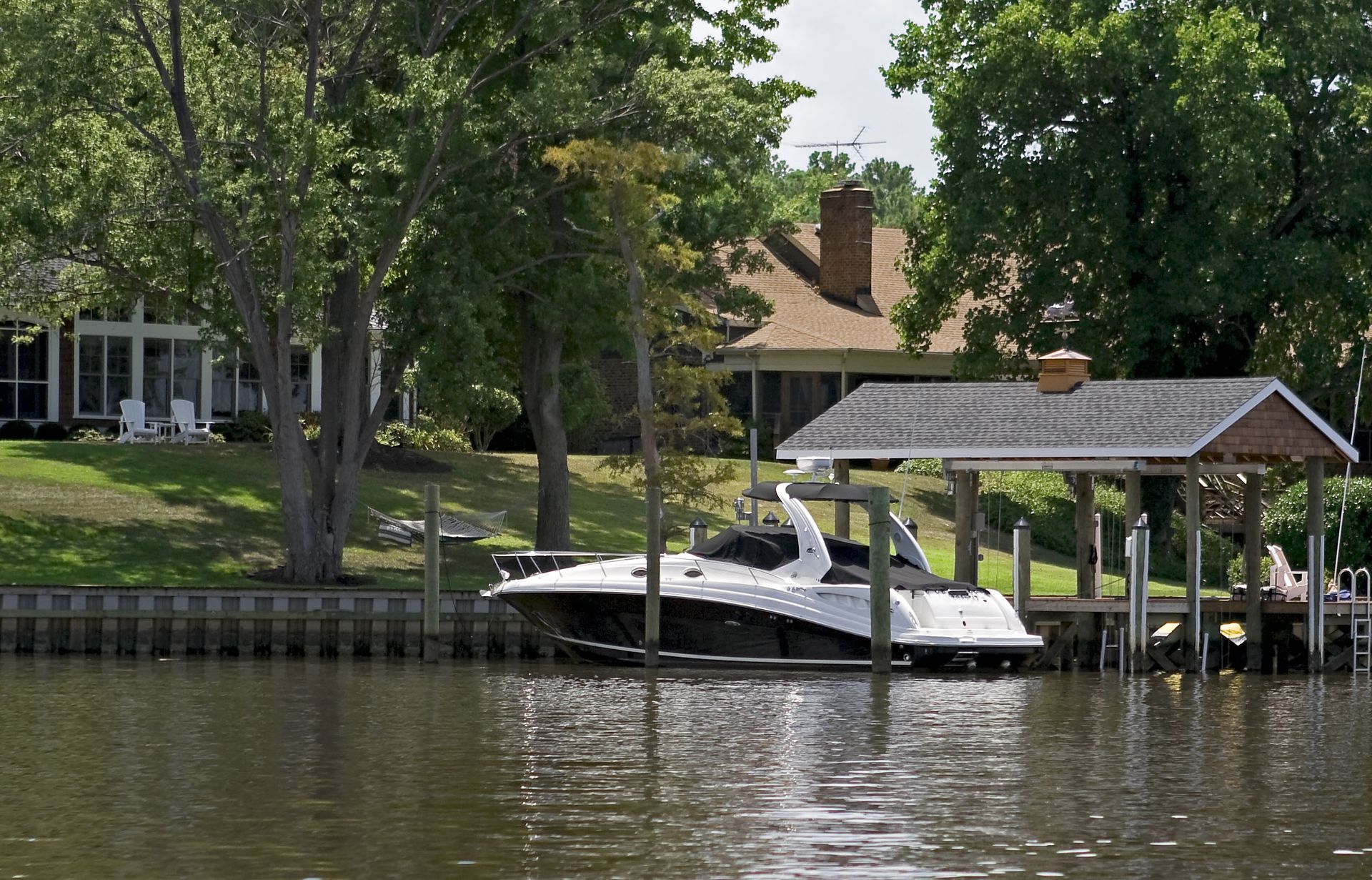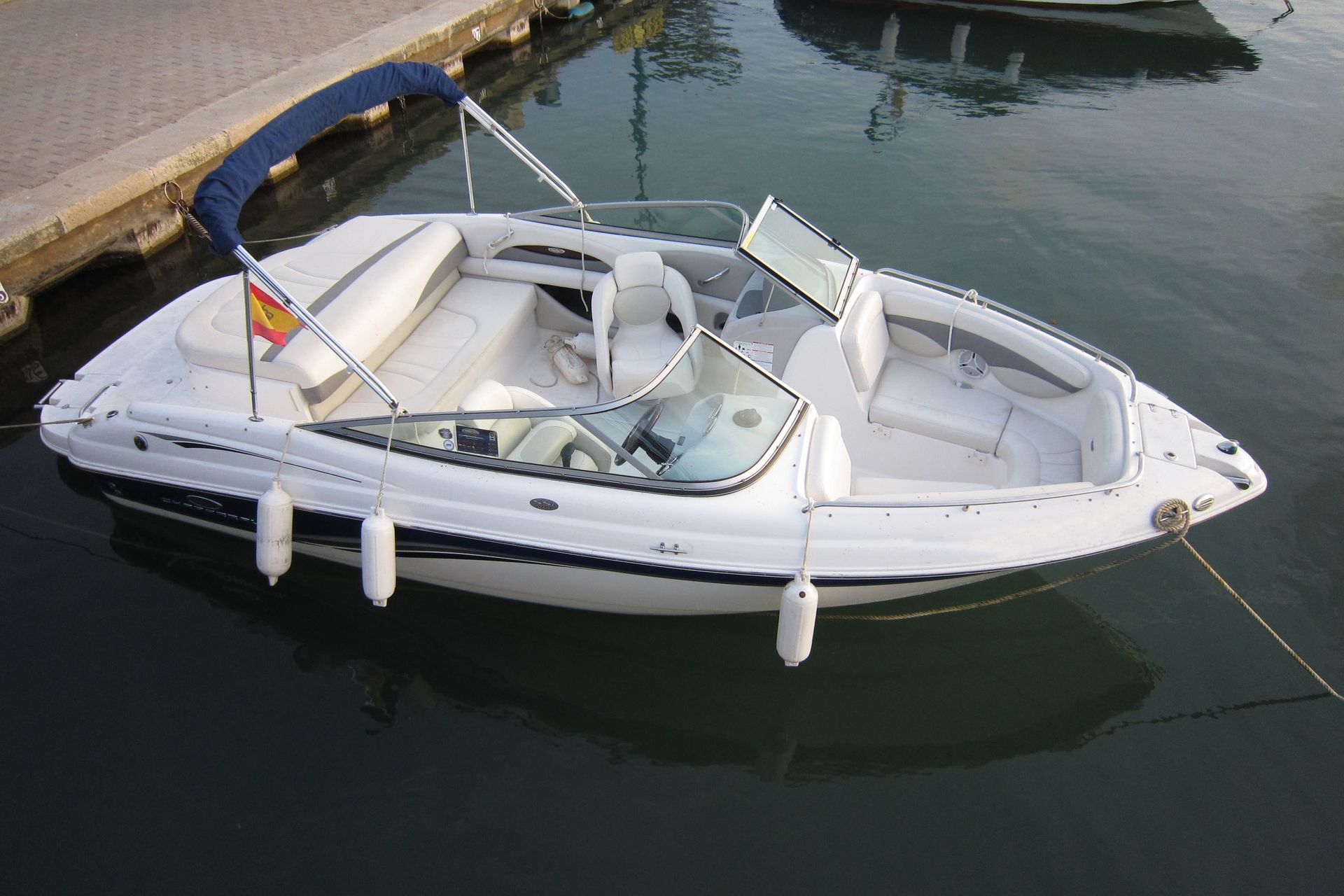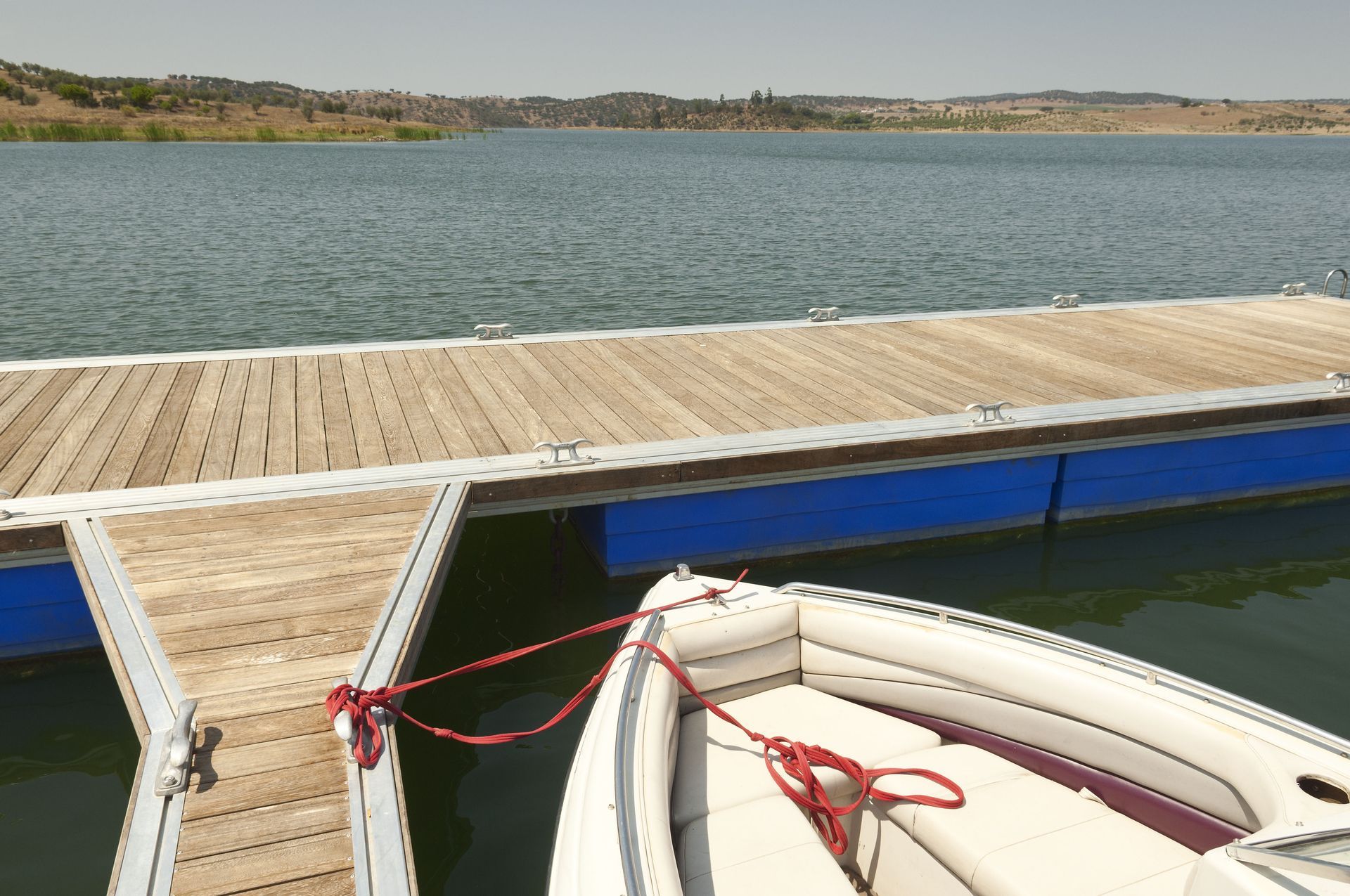
Living on the water offers incredible lifestyle benefits, giving you direct access to boating, fishing, and scenic views. However, building a structure over the water requires thoughtful design and heavy-duty materials to withstand constant marine exposure. Waves, shifting currents, intense sunlight, and coastal storms put continuous pressure on your waterfront property. Planning a proper dock installation requires careful thought regarding local water conditions, foundation supports, and structural framing choices. Taking the right construction approach ensures your marine structure stays safe, steady, and functional for years to come.
Selecting Sturdy Building Materials
Wood remains a popular option for waterfront decking because it delivers a classic look that blends smoothly with coastal surroundings. When building near water, using heavy-duty treated lumber or dense hardwoods like ipe is essential for resisting rot and insect damage. Untreated wood absorbs moisture quickly, causing boards to warp or split after a few seasons. Sealing natural lumber creates a protective barrier against water intrusion, helping deck planks remain smooth underfoot. Investing in quality wood cuts down on early repair costs while preserving a natural aesthetic.
Installing Low-Maintenance Composite Decking
Composite decking gives property owners an alternative to traditional natural wood planks. Made from a blend of wood fibers and durable plastics, composite boards resist fading, cracking, and moisture absorption. They handle intense sunlight and continuous dampness without requiring regular staining or painting. A successful dock installation starts with selecting materials that balance upfront cost with long-term performance. Available in various colors and textures, composite decking allows you to customize your deck without giving up structural strength.
Adding Durable Metal Components
Aluminum and heavy galvanized steel components bring immense structural strength to coastal builds. Aluminum framing is lightweight and naturally resists rust, making it excellent for framing sections near splash zones. Galvanized steel handles heavier weight demands and provides rigid support across wider spans. Selecting marine-grade metal hardware prevents structural sagging caused by constant exposure to damp coastal air.
Designing Heavy-Duty Support Systems
The foundation serves as the core of any waterfront structure, with piling placement forming its central anchor. Heavy timber, concrete, or composite pilings must be driven deep into the bed to secure the framework against shifting tides. Executing a proper piling layout is the backbone of any dock installation, ensuring your platform stays level when strong waves roll in. Choosing the right piling material depends on your specific soil type, water depth, and current strength.
Securing Floating Dock Anchors
Floating docks offer a versatile solution for locations with significant water level changes, such as tidal rivers or fluctuating lakes. These platforms rise and fall naturally with changing water levels, keeping your boat at a consistent boarding height. Securing a floating system requires specialized anchoring setups, such as stiff arms or heavy slide piles. Proper anchoring prevents the platform from drifting sideways during sudden weather shifts while allowing smooth vertical movement.
Calculating Real-World Weight Limits
Understanding weight demands is critical during the initial engineering phase. Your foundation must support decking materials, foot traffic, outdoor furniture, boat lifts, and stored gear. Adding diagonal cross-bracing between foundation pilings helps distribute heavy loads evenly across the framing. Designing for peak capacity prevents structural sagging and extends the overall life of your deck.
Preparing for Weather and Water Challenges
Erosion presents a continuous threat to the stability of waterfront land and nearby deck supports. Wave action and rainwater runoff gradually wash away bank soil, weakening the ground around shore connection points. Installing a sturdy seawall along your shoreline provides a protective barrier that stops soil loss and stabilizes the land behind your deck. Combining shoreline protection with proper drainage pathways prevents runoff from carving channels through your lawn.
Adapting to Daily Tidal Cycles
Tidal movements create changing water levels that test the flexibility and strength of waterfront structures. Fixed walkways must sit high enough above normal high-tide lines to avoid getting submerged during seasonal storm surges. Adding adjustable gangways or floating sections ensures safe stepping access to your vessel regardless of where the tide sits. Designing with local tidal ranges in mind keeps your marine layout accessible throughout the day.
Shielding Materials From Saltwater Exposure
Saltwater creates a harsh environment that quickly corrodes untreated metals and degrades low-grade building materials. Using marine-grade stainless steel hardware, galvanized brackets, and protective sealants shields exposed framing from salt spray. Taking local weather into account during your dock installation prevents early structural wear caused by salt crust buildup. Rinsing exposed decking with fresh water periodically helps remove accumulated salt and prolongs material life.
Applying Longevity-Focused Installation Practices
Precision during initial framing layout directly impacts how well your platform withstands daily wave stress. Ensuring every support beam is level and square prevents uneven weight distribution across foundation pilings. Laser measurement tools help builders set precise lines, reducing unwanted twisting in structural joints. Investing time in exact alignment eliminates internal structural stress, keeping your walkway solid and steady under foot traffic.
Fastening Heavy Marine Hardware
The fasteners holding your deck together play a vital role in preserving structural safety over time. Working with high-grade stainless steel or hot-dipped galvanized screws during dock installation ensures every board stays firm underfoot. Standard construction screws rust quickly in damp environments, leading to loose floorboards. Proper fastener spacing and torque settings prevent wood splitting and ensure frame connections hold tight.
Sealing Exposed Decking Surfaces
Applying high-quality marine sealants coats natural wood fibers against water penetration and sun damage. Penetrating oils soak deep into wood grain, locking out moisture that causes internal decay. Reapplying protective sealants on a routine schedule maintains wood color and keeps the surface comfortable for bare feet. Surface sealing keeps your walkway looking clean season after season.
Establishing Routine Maintenance Habits
Conducting regular inspections allows you to identify minor hardware wear before it turns into structural failure. Check pilings for signs of wear, inspect metal brackets for corrosion, and verify that all floorboards remain firmly attached. According to The Daley Group, setting aside 1% to 2% of a home's overall value every year is recommended for maintaining docks and seawalls, given the constant wear from saltwater, natural erosion, and severe weather events. Replacing worn bolts early keeps your structure safe for family use.
Cleaning Away Marine Growth
Algae and marine grime accumulate quickly on submerged pilings and damp deck surfaces. Slick algae growth on floorboards creates dangerous slipping hazards for guests stepping off boats. Washing deck surfaces with mild marine cleaners and a soft brush removes slippery buildup without stripping away protective finishes. Scraping excess barnacles from pilings reduces drag against water currents, preserving structural integrity beneath the waterline.
Working with experienced marine contractors ensures your project meets local building codes and structural safety standards. Experienced marine builders bring specialized equipment to handle tough underwater construction challenges. When you hire a team for your dock installation, experienced builders make sure every piling sits at the correct depth for maximum stability. Professional craftsmanship eliminates guesswork and delivers a finished structure tailored to your property.
Investing in a high-quality dock installation protects your property value and provides a reliable gathering spot for family and friends. Selecting durable marine lumber, driving solid pilings, and maintaining protective sealants ensures your structure handles harsh coastal weather with ease. From custom wood decks to heavy-duty seawall protection, taking a proactive approach to marine construction ensures lasting enjoyment along the water. When you are ready to build, upgrade, or repair your waterfront structure, contact Mariner Dock & Seawall today to discuss your project goals.